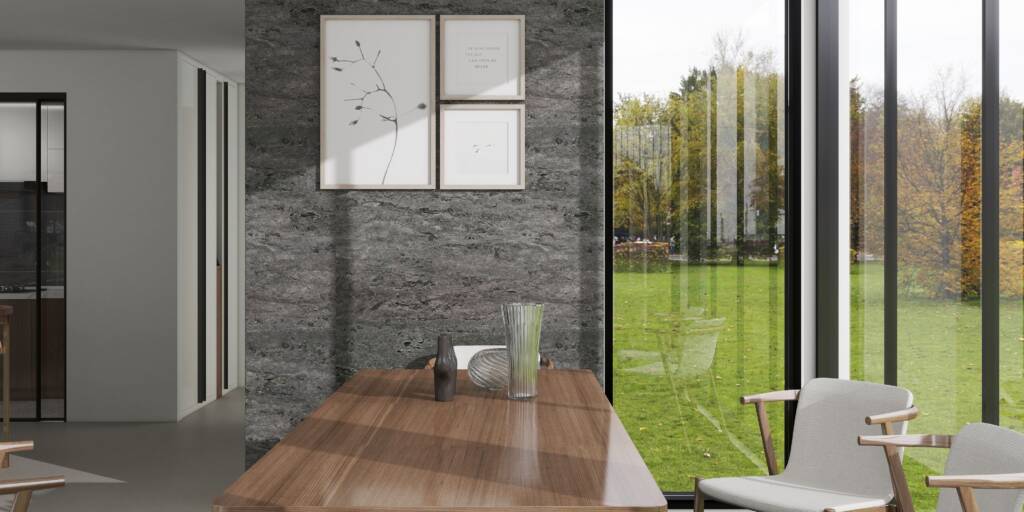


Bathrooms are exposed to moisture, steam and everyday wear, so choosing the right wall covering is an important part of any renovation. For many years, ceramic and porcelain tiles have been the standard choice for bathroom walls and shower areas. However, more homeowners are now considering PVC bathroom cladding panels as a practical and modern alternative.
PVC panels can provide a waterproof, easy-to-clean finish across bathroom walls, shower areas and, depending on the product, ceilings. They are available in a wide variety of colours, patterns and textures, allowing you to create anything from a simple contemporary bathroom to a more luxurious, decorative space.
In this guide, we’ll explain what PVC bathroom cladding panels are, where they can be used, how they compare with traditional tiles and four key reasons to consider them for your next bathroom project.
What Are PVC Bathroom Cladding Panels?
PVC bathroom cladding panels are lightweight boards manufactured from polyvinyl chloride and designed for use in areas where moisture is present. Depending on the product, they can be used on bathroom walls, shower areas and ceilings.
Unlike traditional tiles, PVC panels generally use large sections rather than individual pieces. This means fewer joints and no traditional grout lines across the main panel surface. Some systems use tongue-and-groove connections, while others use overlapping or sealed joint systems.
When installed according to the manufacturer’s instructions, suitable PVC panels can provide a water-resistant or waterproof wall finish. Correct preparation and sealing around joints, corners and fixtures are essential, particularly in shower areas.
They can be a useful option for homeowners looking for a relatively quick bathroom update without the installation process associated with conventional tiling.
Understanding the Different Types of PVC Panels
The terminology used for bathroom wall products can sometimes be confusing. Here are some common terms:
PVC Bathroom Cladding Panels
These are PVC panels designed to cover bathroom walls and other suitable surfaces. They provide a smooth finish and are available in a range of decorative designs.
PVC Wall Panels
In many bathrooms, PVC wall cladding panels are generally used to cover bathroom walls outside or inside wet areas, depending on the product’s specifications and waterproofing capabilities.
PVC Showerwall Panels
PVC shower panels are designed specifically for areas exposed to frequent water, such as shower enclosures. Always check the manufacturer’s specifications to confirm whether a particular panel is suitable for direct shower use.
Tongue-and-Groove Panels
These panels feature interlocking edges that fit together during installation. The joints may then require additional sealing depending on the product and application.
Tile-Effect Panels
Tile-effect PVC panels are designed to reproduce the appearance of traditional tiled walls while reducing the number of individual joints and the associated grout maintenance.
Where Can PVC Bathroom Cladding Panels Be Used?
One of the main advantages of PVC cladding is its versatility. Suitable products can be used in several areas of a bathroom.
Full Bathroom Walls
Large PVC panels can cover complete walls, creating a consistent appearance with fewer visible joints than conventional tiling.
Shower Areas
Products specifically designed for wet areas can be used around shower enclosures. Correct sealing is particularly important in these locations because the walls are exposed to regular direct water.
Bathroom Ceilings
Some PVC ceiling panels are designed for humid environments and can provide a practical alternative to painted ceilings. Always check that the product is suitable for ceiling installation before purchasing.
Feature Walls
Decorative panels can also be used to create a feature wall behind a bath, basin or vanity unit. Marble-effect, stone-effect and other patterned finishes can add visual interest without requiring traditional tiling.
PVC Bathroom Cladding Panels vs Tiles
Before looking at the four main benefits, it is useful to understand how PVC cladding compares with traditional tiles.
Traditional Tiles
- Individual tiles require careful positioning
- Grout needs regular cleaning and maintenance
- Installation can be labour-intensive
- Damaged tiles may need to be individually replaced
- Numerous joints can collect dirt and soap residue
- A tiled bathroom can require considerable preparation
PVC Cladding Panels
- Large panels can cover substantial wall areas
- No traditional grout lines across the panel surface
- Installation can be quicker
- Easy-to-clean surfaces
- Available in many decorative finishes
- Some products can be installed over suitable existing surfaces
The right option depends on your bathroom, budget, design preferences and installation requirements. For a more detailed comparison, see Shower Panels vs Tiles for Bathrooms.
1. PVC Bathroom Cladding Panels Help Manage Moisture
Bathrooms naturally contain high levels of humidity and regular exposure to water. This makes moisture management one of the most important considerations when selecting wall coverings.
PVC itself does not absorb water in the same way as many porous materials. Suitable panels can therefore provide a practical surface for humid bathroom environments.
One advantage over traditional tiled surfaces is the reduced number of joints. Grout can become stained or damaged over time, particularly in areas exposed to regular moisture. PVC panels eliminate traditional grout maintenance across the main panel surface.
However, the panel alone does not make an entire bathroom waterproof. Seams, corners, edges, pipe penetrations and the substrate behind the panel must all be appropriately prepared and sealed.
For shower areas, always choose a product specifically designed for wet-zone applications and follow the manufacturer’s installation instructions.
2. A Wide Range of Designs and Finishes
Modern PVC cladding is no longer limited to plain white panels. Manufacturers offer a wide selection of patterns and finishes, making it easier to match the panels with your preferred bathroom style.
Popular options include:
- Tile-effect designs
- Marble-effect panels
- Concrete-effect finishes
- Stone-effect designs
- Wood-effect patterns
- Gloss white panels
- Sparkle-effect panels
A marble-effect panel can create a more luxurious appearance, while concrete and stone designs can suit contemporary interiors. Plain or tile-effect panels can provide a simpler look for traditional or minimalist bathrooms.
Using larger panels can also create a more continuous visual effect, particularly when the pattern is carefully aligned across adjoining sections.
3. Faster Installation With Less Grout and Mess
Installation time is another reason homeowners consider PVC bathroom cladding.
Traditional tiling involves measuring and preparing the wall, cutting individual tiles, applying adhesive, positioning the tiles and eventually grouting the completed surface. Depending on the size and complexity of the room, this can be a time-consuming process.
PVC panels can cover larger areas with fewer individual pieces. Some systems use interlocking edges, while others rely on suitable adhesives and sealed joints.
Potential installation benefits include:
- Large panels cover more wall area
- Fewer individual pieces need to be positioned
- No traditional grouting process
- Less ongoing grout maintenance
- Potentially less disruption during renovation
Some panels may be installed over suitable existing surfaces, including properly prepared tiles. However, the existing surface must be stable, clean and suitable for the installation system.
While some products are suitable for experienced DIY installation, wet areas require particular care. If you’re unsure about preparation, sealing or waterproofing, professional installation can help reduce the risk of problems later.
4. A Practical and Cost-Effective Alternative to Tiling
The overall cost of a bathroom renovation depends on the products, room size, preparation and labour. PVC cladding can offer potential savings because installation can be quicker and the system does not require traditional grout.
Potential cost advantages include:
- Reduced installation time
- Lower labour requirements in some projects
- Less grout maintenance
- Large panels covering more area
- Minimal cleaning requirements
The cheapest panel is not necessarily the best choice. When comparing products, consider the panel’s thickness, construction, dimensions, finish, intended application, fire classification where relevant, installation requirements and warranty.
A good-quality product often delivers better long-term value when you install it correctly rather than choosing solely on the initial purchase price.
For another perspective, see How Shower Panels Can Transform Your Bathroom on a Budget.
How to Clean and Maintain PVC Bathroom Cladding Panels
One of the biggest practical benefits of PVC panels is their relatively simple maintenance.
Regular cleaning helps maintain the appearance of your shower panels. Simply wipe the smooth surface with warm water and a suitable mild bathroom cleaner, then follow with a soft or microfibre cloth to lift soap residue and water marks without scratching the finish.
For routine maintenance:
- Wipe panels regularly to prevent residue build-up
- Use mild cleaning products recommended for the panel
- Avoid abrasive pads and harsh chemicals
- Pay attention to joints and sealed areas
- Follow the manufacturer’s cleaning instructions
Avoid assuming that every PVC panel can tolerate bleach, strong solvents or abrasive cleaners. Always check the manufacturer’s recommendations before using a new cleaning product.
How Long Do PVC Bathroom Cladding Panels Last?
The lifespan of PVC bathroom cladding depends on the product quality, installation, bathroom conditions and maintenance.
A well-made panel can provide many years of reliable service when installed correctly and cared for properly. However, the lifespan of PVC bathroom cladding varies between products. For that reason, treat claims such as “10 to 15 years” as product-specific estimates rather than a universal rule.
Final Thoughts
PVC bathroom cladding panels offer a practical alternative to traditional bathroom tiling, particularly for homeowners who want a low-maintenance finish with a wide range of design choices.
The four main reasons to consider them are their suitability for moisture-prone environments, the variety of available finishes, potentially faster installation and the opportunity to reduce some installation and maintenance costs.
Whether you’re updating a complete bathroom, renovating a shower enclosure or creating a feature wall, the key is to choose a panel that is suitable for the intended application and install it according to the manufacturer’s requirements.
FloorsToWalls offers a range of bathroom wall panels, wall panels and shower panel options in different styles and finishes, giving homeowners and trade professionals a variety of choices for bathroom renovation projects.