Shower panels are supplied in a wide range of materials, sizes, thicknesses, and installation formats, all of which affect how they fit, seal, and perform on a bathroom wall. While finishes and colours are easy to compare, the specifications behind them are what determine suitability for different shower layouts and levels of use.
Our shower panel buying guide sets out the key factors to understand before purchasing shower panels. We explain how different panel types are constructed, how size and thickness influence stability and joint placement, how waterproofing is achieved, and how kits compare to buying individual panels.
You can explore the full range of available options in our shower panels collection, with different materials, sizes, and formats covered throughout this guide.
What Are Shower Panels and How Do They Perform?
Shower panels are large-format wall linings designed to create a continuous, water-resistant surface across shower and bath areas. Rather than being applied in small sections, panels are installed as full-height boards that cover more wall area in a single piece, reducing the number of joints exposed to water.
Functionally, shower panels sit directly against a prepared wall surface and form the visible waterproof layer of the installation. Water is shed from the face of the panel and directed down towards the tray or bath edge, while joints and edges are sealed using trims and silicone to prevent moisture reaching the wall behind. The panel itself provides the surface finish, while the fixing method and sealing complete the waterproof system.
How well panels perform on the wall depends on a combination of factors rather than appearance alone. Panel thickness affects rigidity and how firmly boards sit once fixed. Panel width influences how many vertical joins are needed across the wall, which in turn affects both the finished look and the number of areas that need sealing. Joint design, such as tongue-and-groove edges, helps panels align accurately and close gaps consistently from top to bottom.
It’s also important to understand that shower panels rely on more than the panel surface alone. Long-term performance depends on consistent adhesive coverage, the correct trims, and properly sealed edges at corners, bases, and cut-outs. When panels are fixed and sealed correctly, they form a stable wall covering that’s straightforward to maintain and suitable for regular use in shower areas.
Shower Panel Types Explained
Shower panels are manufactured using different core constructions, which affects their weight, rigidity, and how they behave once fixed to the wall. These differences influence where panels are best used, how they’re handled during installation, and how stable they remain over time.
PVC Shower Panels
PVC shower panels are made from lightweight polyvinyl chloride and are commonly chosen for general bathroom use. Their lower weight makes them easier to handle, cut, and position during installation, which is why they’re frequently used in DIY projects as well as standard bathroom refurbishments.
In use, PVC panels rely on correct fixing to remain stable. Thinner boards can flex slightly before being bonded to the wall, so adhesive coverage and wall preparation are important. Once fixed, they provide a smooth, waterproof surface that’s straightforward to clean and well suited to en-suites, guest bathrooms, and lower-impact shower areas.
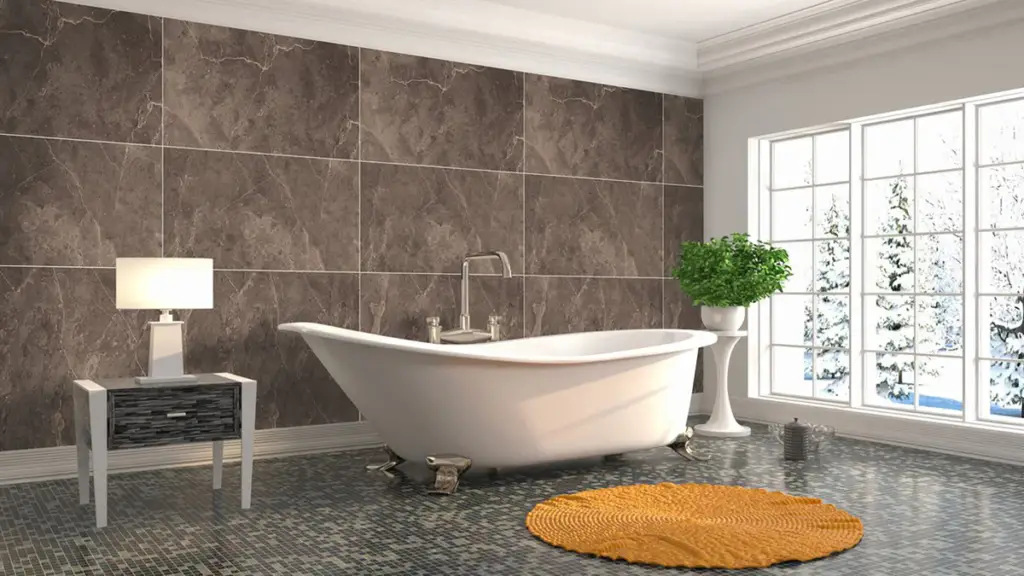
PVC panels are available in a wide range of finishes, including gloss, marble, stone, and sparkle effects, making them a flexible option where appearance and ease of fitting are priorities.
Acrylic Shower Panels
Acrylic panels use a denser surface layer, giving them a firmer feel and a more rigid face once installed. They’re typically heavier than standard PVC boards, which can improve stability on the wall but may require more care during handling and cutting.
The acrylic surface produces a consistent, smooth finish that reflects light evenly, which is why these panels are often chosen for brighter, contemporary bathroom designs. Their increased rigidity can make them suitable for areas where walls are more exposed or where panels span wider sections without interruption.
Because of their weight and surface finish, acrylic panels are more commonly fitted by installers, though they can still be used in DIY projects with appropriate preparation.
Composite and Solid Core Shower Panels
Composite and solid core shower panels are built with a dense internal structure, increasing both thickness and weight. This construction reduces flexing during installation and helps panels sit firmly against the wall once fixed.
Wider boards and heavier cores allow more wall area to be covered with fewer joins, which can improve both visual consistency and long-term sealing. These panels are often chosen for family bathrooms, larger enclosures, and higher-use shower spaces where rigidity and stability are more important.
Solid core panels typically require two-person handling due to their weight, and careful alignment during fitting is essential. In return, they provide a robust wall covering that feels substantial once installed and remains stable over time.
Panel Size, Thickness, and Joint Design
Panel specification plays a direct role in how shower walls look, seal, and hold up over time. Size, thickness, and joint design are often treated as secondary details, but they influence installation accuracy, join placement, and long-term stability more than finish choice alone.
Panel Size and Wall Coverage
Shower panels are supplied in fixed heights and widths, typically designed to cover full wall runs from tray or bath edge to ceiling. Using full-height panels avoids horizontal joins in splash zones, which reduces the number of sealed edges exposed to constant water.
Panel width determines how many vertical joins are required across a wall. Narrower panels increase the number of joins, which can affect both appearance and sealing time. Wider panels reduce join count, creating a cleaner finish and fewer points that need sealing. This becomes more noticeable in larger enclosures and walk-in showers, where long wall runs benefit from fewer vertical breaks.
Before choosing panel size, it’s important to measure wall widths accurately and consider how cuts will fall. Planning panel layout in advance helps avoid narrow offcuts in visible areas and keeps joins positioned where they’re easier to seal neatly.
Panel Thickness and Stability
Thickness affects how rigid a panel feels before and after installation. Thinner panels are lighter and easier to handle, but they rely more heavily on even wall surfaces and consistent adhesive coverage to sit flat once fixed. Any unevenness in the wall can show through if panels flex during bonding.
Thicker panels provide greater rigidity, which helps them sit more firmly against the wall and reduces movement during curing. This can make alignment easier, particularly on larger wall sections or where walls are slightly out of square. The trade-off is increased weight, which may require two-person handling during fitting.
Thickness does not change waterproof performance on its own, but it does influence how stable the finished wall feels and how well joints remain closed over time.
Joint Design and Join Placement
Most shower panels use tongue-and-groove edges to align boards and close gaps consistently from top to bottom. This joint design helps control spacing during installation and creates a continuous face once panels are locked together.
Join placement matters as much as joint type. Fewer joins mean fewer areas that need sealing and fewer long-term maintenance points. Panels should meet cleanly without force, as excessive pressure can distort alignment or affect how joints close once adhesive cures.
Edges at corners, bases, and cut-outs rely on trims and sealant rather than the panel joint itself. Correct trim selection and neat sealing at these points are essential, as they form the barrier that prevents moisture reaching the wall behind.
Waterproofing Behaviour: What Panels Do, and What They Rely On
Shower panels provide a water-resistant wall surface, but waterproofing is achieved through how panels are installed and sealed rather than by the panel face alone. The panel surface sheds water downwards towards the shower tray or bath edge, and larger panel formats reduce the number of joins exposed to moisture.
Waterproofing is completed at edges and transitions, where water could otherwise track behind the panel. These include:
- Panel-to-tray or panel-to-bath edges
- Internal and external corners
- Wall-to-wall transitions
- Cut-outs for valves, outlets, and fittings
Vertical joins between panels are usually formed using tongue-and-groove edges. When panels are aligned and fixed correctly, these joints close tightly without the need for silicone between boards. Sealing is instead focused on external edges where panels meet other surfaces.
Adhesive coverage also affects waterproof behaviour. Panels need consistent contact with the wall so there are no voids behind the board. Applying adhesive in continuous vertical runs helps support the panel across its full height and limits spaces where moisture or condensation could collect.
Water pressure and shower usage influence how much stress is placed on seals and edges. Higher-pressure showers and frequent use increase splash-back towards corners and fittings, making accurate trimming and neat sealing more important than panel material choice alone. Reducing join count and sealing edges carefully helps maintain a dry wall structure behind the panels over time.
Shower Panel Kits vs Individual Panels
Shower panels can be purchased either as individual boards or as complete kits. Both options use the same panel materials and are installed in the same way. The difference is how wall coverage and components are specified before fitting begins.
Shower Panel Kits
- Supplied as 2-panel or 3-panel sets, depending on how many wall faces are being covered.
- Panels are provided in matching finishes, with compatible trims included.
- Reduce the need to select trims and profiles separately.
- Best suited where two or three full wall runs need covering, wall layouts are straightforward, and a simpler ordering process is preferred.
- Before choosing a shower panel kit, wall widths and join positions should be checked to avoid awkward cuts or excess waste.
Individual Shower Panels
- Supplied as single boards chosen by size and finish.
- Can be used to panel one wall, multiple walls, or an entire room, depending on quantities selected.
- Allow more control over panel layout and join placement, including around features such as niches, windows, or boxed pipework.
- Suitable where wall dimensions fall outside standard kit coverage or where trims need to be specified to suit a more complex layout.
Kits simplify sourcing by grouping compatible components together, while individual panels allow greater control over sizing and layout. The right choice depends on how predictable the wall runs are and how much flexibility is needed when planning the installation.
How Much Do Shower Panels Cost?
Shower panel pricing varies mainly by panel construction, thickness, and format, rather than finish alone. There are options available across a wide range of budgets, depending on how the space is being covered.
Individual shower panels typically start from around £50 per panel, with prices ranging up to £115 per panel depending on material type and thickness. Standard PVC panels sit at the lower end of this range, while thicker or more rigid constructions sit higher.
Shower panel kits are priced based on the number of panels included.
- 2-panel kits generally start from around £200
- 3-panel kits typically range up to £300
Kits group panels and trims together, which can simplify ordering and help avoid compatibility issues, but they don’t change how panels perform once installed.
Solid core shower panels sit at the higher end of the price range, usually £115+ per panel. The increased cost reflects their thicker construction and added rigidity, which can be better suited to larger wall runs or higher-use bathrooms.
Accessories and consumables add relatively little to the overall cost. PVC trims are low-cost, and adhesive and silicone typically cost around £5-£10 each, depending on brand and quantity required.
Overall, shower panels are typically cheaper than a tiled installation once material costs, installation time, and long-term maintenance are taken into account. For a detailed comparison of how the two options differ in practice, see our guide on shower panels vs tiles.
Where Can Shower Panels Be Used?
Shower panels can be used anywhere a water-resistant wall finish is required, but some locations place greater demands on panel size, join placement, and preparation.
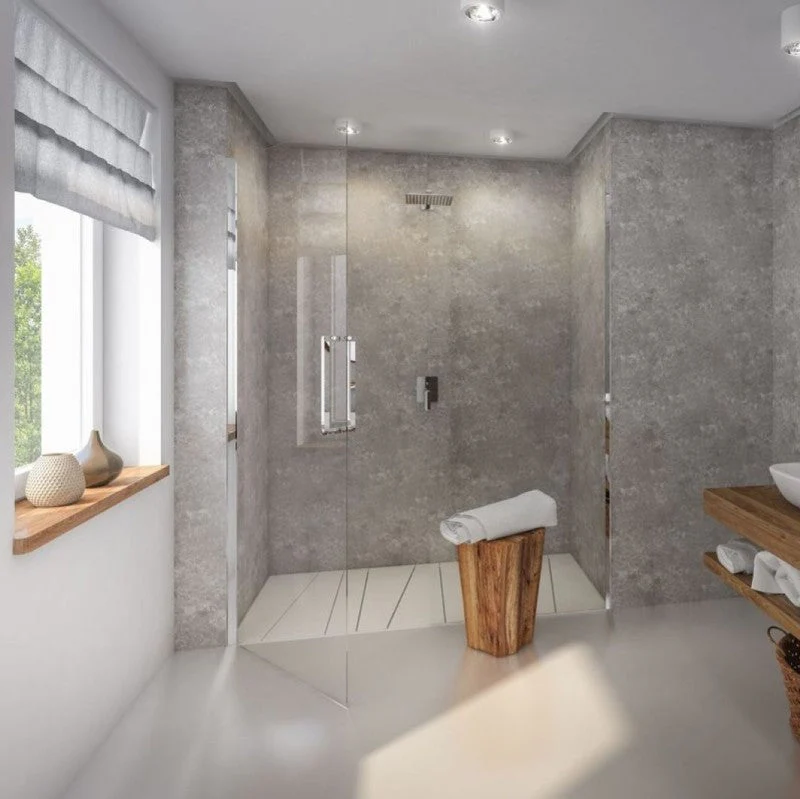
Panels work most straightforwardly on full-height shower walls, where boards can run from tray or bath edge to ceiling height. This limits horizontal joins and keeps sealing focused on edges and corners. Standard bathrooms and en-suites with flat, square walls fall into this category.
Extra planning is needed where:
- Wall runs are long, as join count and panel width become more noticeable.
- Wet rooms or walk-in showers are used, where splash-back is higher and edge sealing matters more.
- Walls are uneven or out of square, which affects how rigid panels sit once fixed.
- Features interrupt the wall, such as niches, windows, boxed pipework, or angled returns.
Panels can also be used beyond shower areas to create a consistent finish across a bathroom, but layout planning still matters. Join placement, cut positions, and trim selection affect the final result even where water exposure is lower.
Are Shower Panels Easy to Install?
Yes, shower panels are designed to be installed without specialist tools or trade-only skills. With accurate measuring, basic preparation, and the right trims and adhesive, most homeowners can fit panels themselves.
- Wall condition: Panels need a flat, stable surface. Minor unevenness can be taken up with adhesive, but badly bowed or damaged walls may affect which panel thickness is suitable.
- Panel layout and join positions: Planning where panels start and finish helps avoid narrow cuts on visible walls and unnecessary joins, particularly on longer wall runs or wider panels.
- Fitting over existing tiles: Panels can be installed over tiles if the surface is flat and secure. This increases wall depth slightly, which can influence trim selection and how fittings sit once refitted.
- Panel size and handling: Wider and solid core panels are heavier and may require two-person handling, especially in smaller bathrooms or where access is tight.
- Trims and cut-outs: Corners, exposed edges, and openings for valves or outlets all require the correct trims, which should be accounted for at the buying stage.
Our step-by-step guide on how to fit shower panels walks through the full installation process from preparation to sealing.
So, How Do You Choose the Right Shower Panels?
Choosing the right shower panels comes down to matching panel specification to the space, usage level, and how the walls are laid out. Finish matters visually, but performance is driven by size, construction, and how panels will be fitted.
Start with wall dimensions and layout. Measure full wall widths and ceiling height, then consider where joins will fall. Wider panels reduce join count, which simplifies sealing and improves long-term reliability, especially in larger enclosures or walk-in showers.
Next, consider panel construction.
- PVC panels suit most bathrooms and are easier to handle during fitting.
- Acrylic panels offer a firmer face and a more reflective finish.
- Solid core panels provide extra rigidity and are better suited to higher-use spaces or wider wall runs where stability matters more.
Thickness and weight should match the job. Thinner panels are lighter and easier to work with, but rely on good wall preparation. Thicker or solid core panels feel more substantial once installed, but need more careful handling and alignment.
Decide early whether a kit or individual panels make more sense. Kits simplify sourcing where wall runs are predictable. Individual panels allow join placement and sizing to be planned around features such as niches, windows, or boxed pipework.
Finally, plan edges and transitions. Corners, bases, and cut-outs are where waterproofing is completed, so trims and sealant should be chosen alongside panels, not as an afterthought.
Ready to Choose Your Shower Panels?
Once panel size, thickness, and format are clear, the final step is confirming finish and layout. Our free samples make it easier to check surface detail, colour tone, and panel thickness in your own space before committing, especially where wider boards or solid core options are being considered.
You can explore our full shower panels range to compare individual panels, kits, and solid core options by size and specification. Panels are supplied with compatible trims, clear sizing information, and UK-wide delivery over £125, helping you move from planning to purchase with confidence.